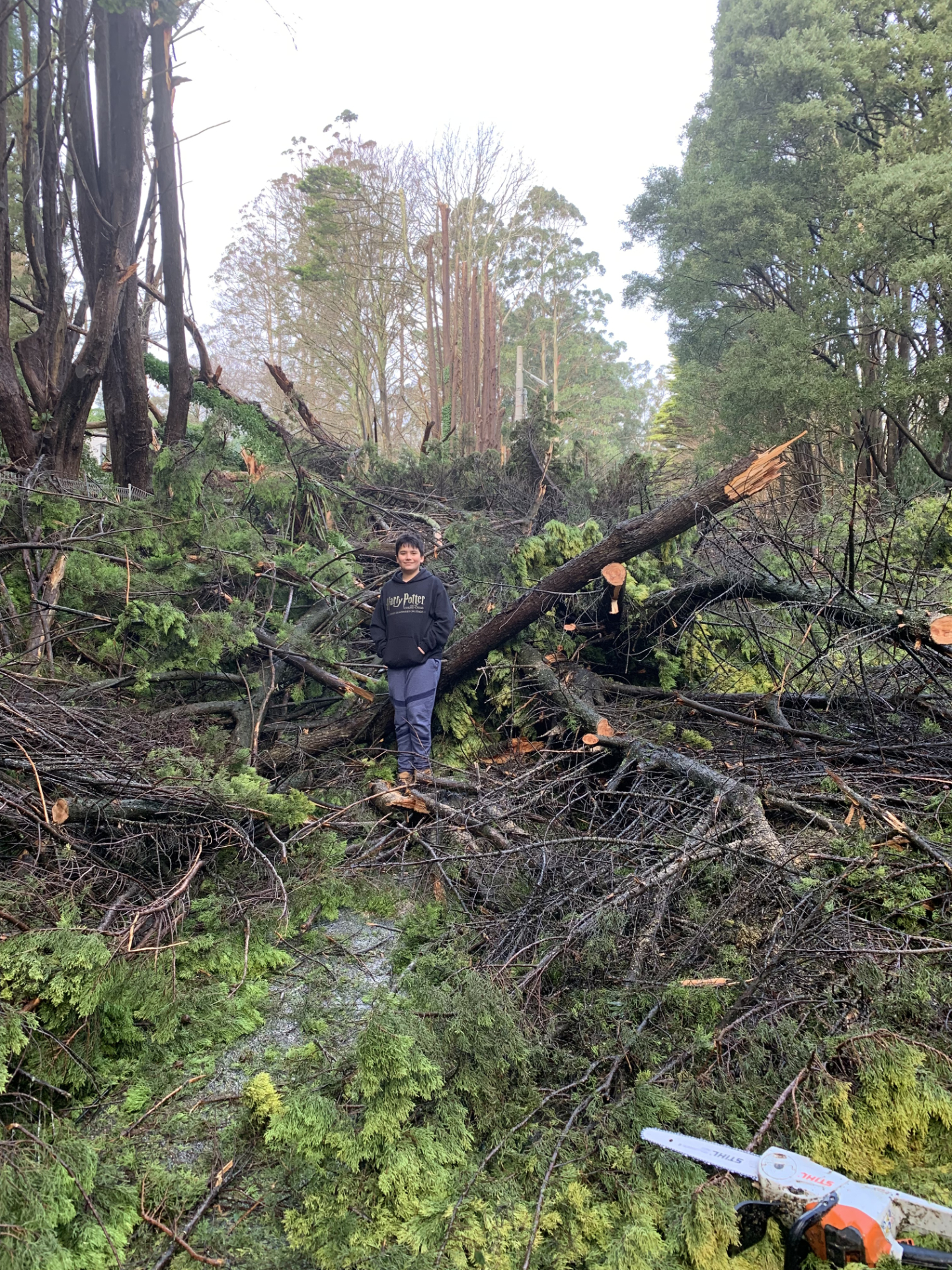
“It was almost apocalyptic.” Those were the words of Jasper Francis, a student from Mount Dandenong, when describing the devastation he witnessed during the 2021 Victorian storms and floods.
For Jasper, climate change is more than headlines or scientific reports. It is something he has experienced firsthand.
During the devastating storms of 2021, extreme weather reached Jasper’s doorstep. The forest he had grown up in was transformed. Trees were uprooted, landscapes were damaged, and a place that had long felt familiar suddenly looked almost unrecognisable.
But the loss extended beyond the landscape. The school, the local community, and even young children mourned the destruction of a place that had been part of their everyday lives. In a community where people, nature and wildlife had long existed in close connection, seeing that relationship disrupted was deeply unsettling.
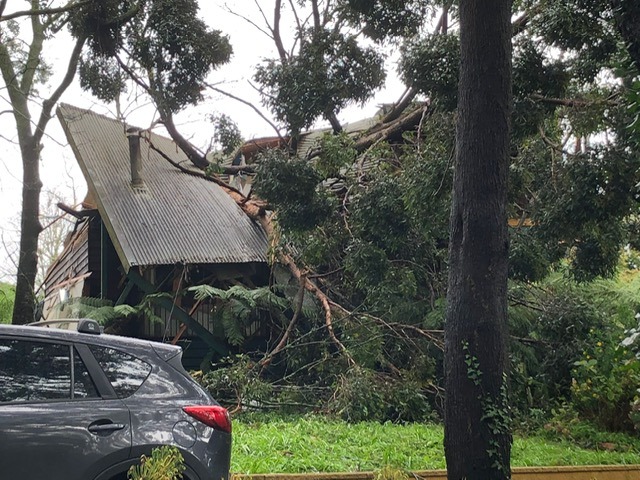
For Jasper, and many other young people, the experience changed the way he understood climate change. It was no longer something distant or abstract. It was visible in the forest around him, felt by his community, and woven into the memories of the people who called Mount Dandenong home.
And Jasper was far from alone. Across Victoria, the storm event caused widespread damage – closing parks, cutting off roads and isolating communities.
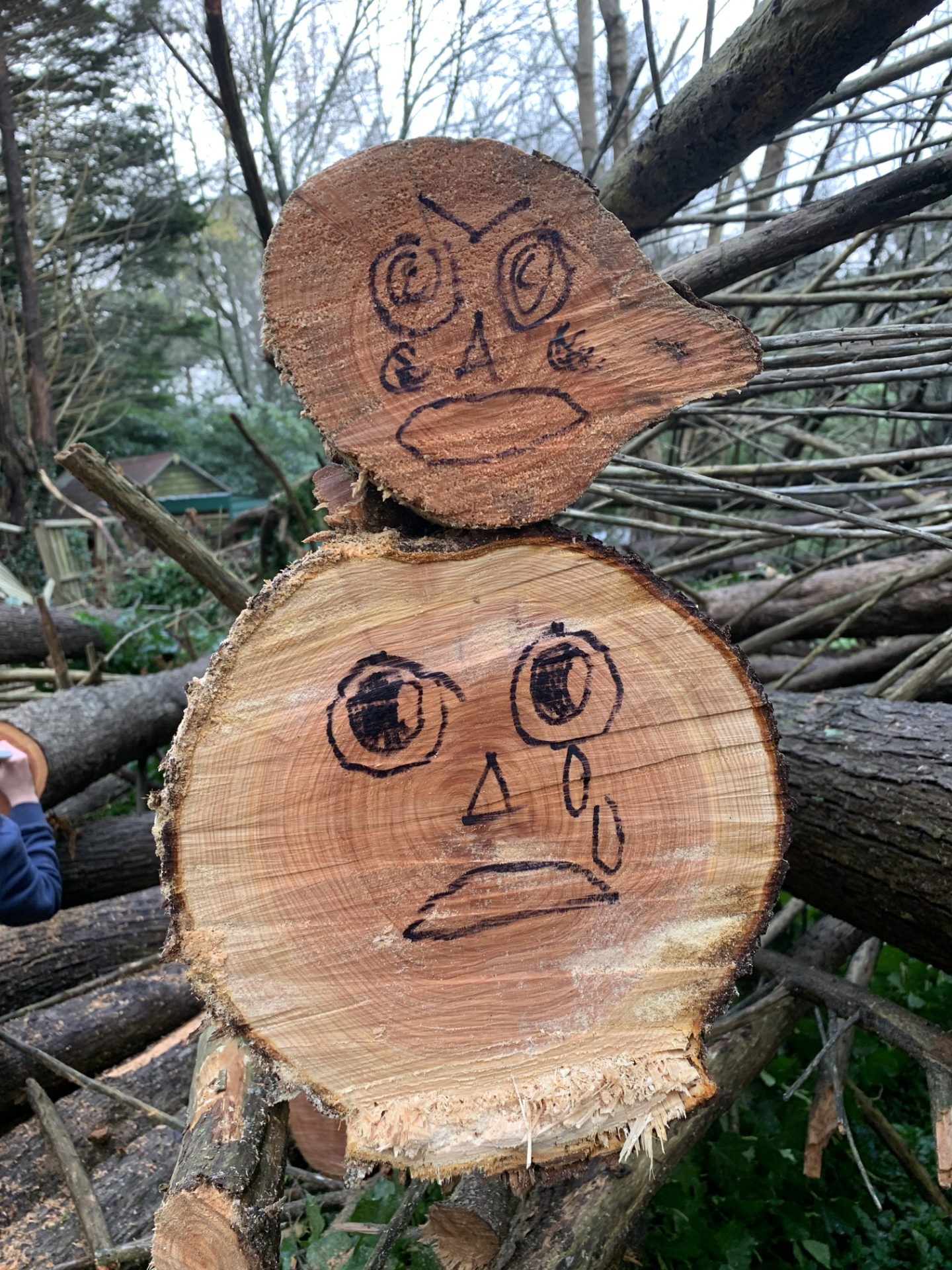
We often think disasters begin when floodwaters rise, a bushfire ignites, or a storm hits. But the conditions that make these events so destructive can build for years.
Rainfall patterns shift. Soils remain wetter for longer. Temperatures rise. Extreme weather becomes more difficult to predict. Individually, these changes can seem subtle. Together, they can push landscapes closer to their limits.
The 2021 floods followed an exceptionally wet period in Victoria. When intense rainfall arrived, already-saturated ground had less capacity to absorb it, increasing the amount of water flowing across the landscape.
The flood may have arrived in a matter of hours, but the conditions that contributed to it had been building for much longer.
Climate change is often communicated through numbers: millimetres of rainfall, degrees of warming, or tonnes of carbon emissions. Those measurements are essential, but they do not always communicate what climate change feels like.
For someone like Jasper, the data has a physical reality.
That is why personal stories matter in climate communication. They connect long-term environmental trends with the people living through them.
The rainfall record for Mount Dandenong over the past decade illuminates the broader picture. The region has experienced significant variation in annual rainfall, including exceptionally wet and dry years. These fluctuations are part of a climate system becoming increasingly difficult to understand and predict through the idea of a “normal” year.
For communities, this variability is not an abstract trend. It can mean a destroyed home, a disrupted routine and a landscape that looks increasingly unfamiliar. For young people, these changes are particularly significant. They are growing up knowing that the places they love may not look the same in decades to come.
Young people are not simply “leaders of tomorrow”. They are witnesses to what is happening today. They are community members, advocates and storytellers already experiencing the consequences of a changing climate.
When asked what people should do, Jasper’s response was simple: “Listen and have accountability.”
Listening means taking lived experience seriously alongside scientific evidence. Accountability means acting before the next disaster, rather than waiting to rebuild afterwards.
Jasper’s experience reminds us that climate change does not begin when disaster strikes. By the time the flood arrives, the story has already been unfolding for years. The question is whether we are willing to listen closely enough to recognise it.
If Jasper’s story has inspired you, there are many different ways you take action.
Join the Australian Youth Climate Coalition: If you’re a young person who wants to turn climate concern into collective action, join the Australian Youth Climate Coalition. Through local groups, campaigns and volunteering, young people are organising for climate justice and holding decision-makers accountable. Join here.
Join a local Landcare group: Help restore forests, waterways and wildlife habitat by getting involved with your local Landcare community. ‘Think global, act local’ isn’t just a slogan, it’s a viable theory of change!
Volunteer with the Australian Conservation Foundation (ACF): Join a local community group, support campaigns and help advocate for policies that protect Australia’s climate, nature and communities. Find out more here.
Support Seed Indigenous Youth Climate Network: Support Aboriginal and Torres Strait Islander young people leading climate justice campaigns and protecting Country, culture and community. Find out more here.
Get involved in local climate action: Find a community environmental group near you and contribute your time, skills or voice, from habitat restoration and citizen science to local advocacy and climate campaigns.

By signing up you give permission for Hothousemag to contact you with updates. Your information is safe with us – for more information see our Privacy Policy

