
Now firmly in its adolescence, October saw the return of Australia’s premier environmental film festival by Environmental Films Australia. We spoke to EFA’s curatorial trio about the power of storytelling in the face of ecosystem collapse and accelerating climate change.
There’s a kind of magic created by the confluence of visuals, sound and story. It shows us a new angle to a familiar scene. It asks us to imagine a different world from the one we know.
At Environmental Films Australia’s 15th Environmental Film Festival, this magic abounds. With 25 films screened across three venues in Melbourne, the festival’s directors – Frejya Gillard, Simon Troon and Helen Mayers – have pulled off yet another feat of thought-provoking environmental storytelling.
From urgent features on First Nations land rights in the renewable energy transition, to moving short meditations on the snail paced life (literally!) of sea molluscs, the fifteenth iteration of the Environmental Film Festival shared the environmental stories we most need – and those we tend to overlook.
The program’s diversity is no accident. Freyja Gillard, one of the festival’s three curators, says EFA has a thorough programming process to ensure a diverse and thought-provoking film selection.
“We’re very mindful of how we use our platform to make sure a wide variety of voices are heard, especially those not always picked up by more traditional media.”
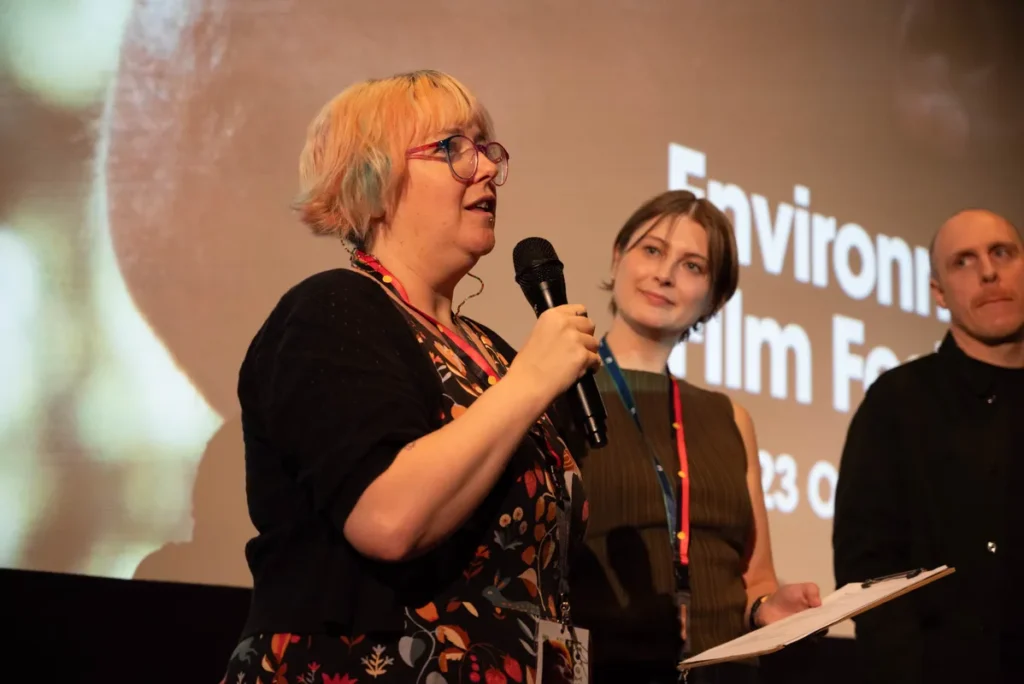
Simon Troon, another director, elaborates:
“We work to prioritise Aboriginal and First Nations filmmaking and storytelling, and think we have a responsibility to do so. There’s no shortage of excellent Indigenous filmmakers creating compelling work.
“Unfortunately, when it comes to environmental films, this is partly because Indigenous peoples have long been at the forefront of cataclysmic environmental harm.”
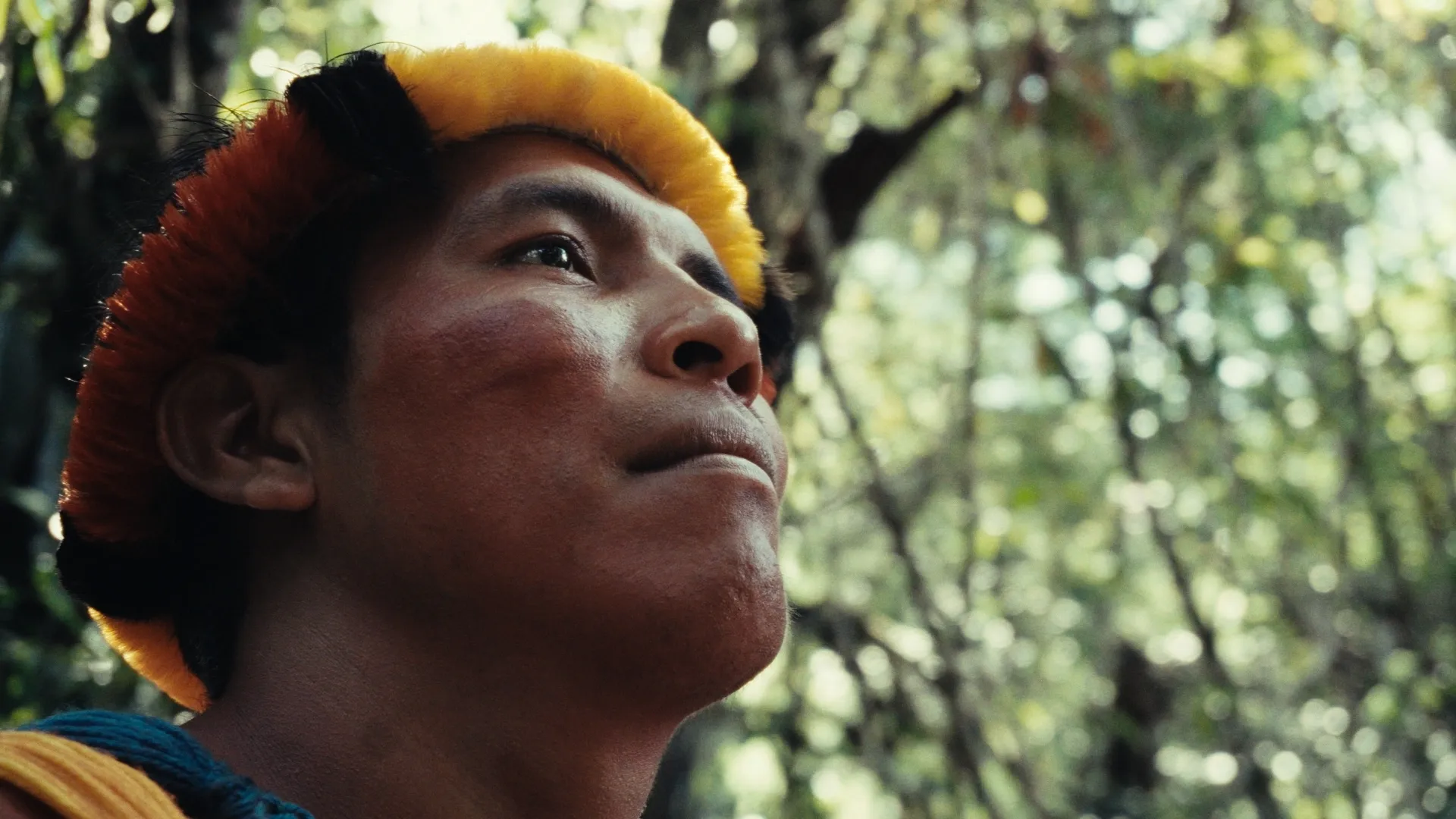
EFA’s 15th festival featured films from several First Nations directors, representing Indigenous communities from Australia, Aotearoa/New Zealand, Canada and the United States.
In addition to platforming Indigenous storytelling, programming films that expanded preconceived ideas about ‘the environment’ was a guiding principle for EFA’s curators.
The festival’s shorts collection, People, Place, Planet, was a perfect example of this. We saw moving commentary on the intersection of labour and livelihoods with environmental protection in India, and a powerful call to action from Māori caretakers fighting invasive algae off Aotearoa’s northern coastlines. We witnessed the life of a sea snail soundtracked by the incessant pace of human life. And we saw unexpected collaborations between industry and nature in shorts that documented innovative social housing models, and careful efforts to relocate a plane tree in Italy.
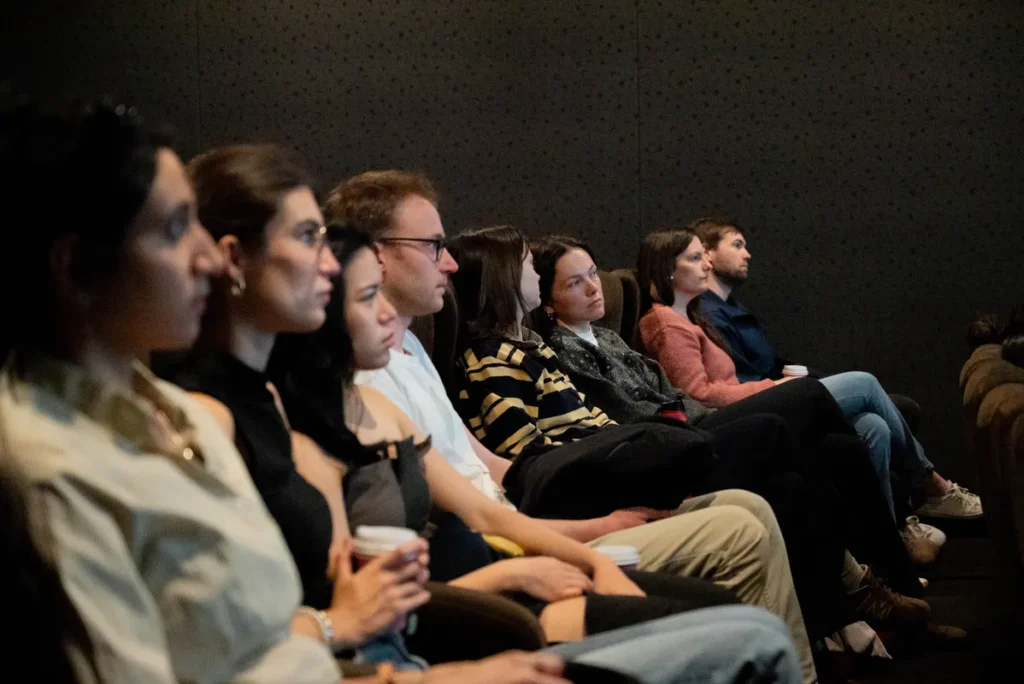
“The environment isn’t some faraway thing that’s separate to our everyday lives,” says Simon.
“It’s something that we’re always encountering and always responsible for, even in our lives as city-dwellers.
We were interested in films about things like gardens, cities and urban life, housing, landscape, energy, environmental histories and intergenerational obligations.”
In an era of environmental collapse and climate change, where our governments seem to be more accountable to the fossil fuel industry than to our communities, film provides us with a vital avenue for action, connection and education.
At EFA’s 15th festival, films told the stories of activists fighting environmental harm, gave a voice to communities protecting land and seas, and spotlighted environmental issues that need urgent attention. Together, these films connect audiences to the people at the centre of environmental issues, and galvanise their support.
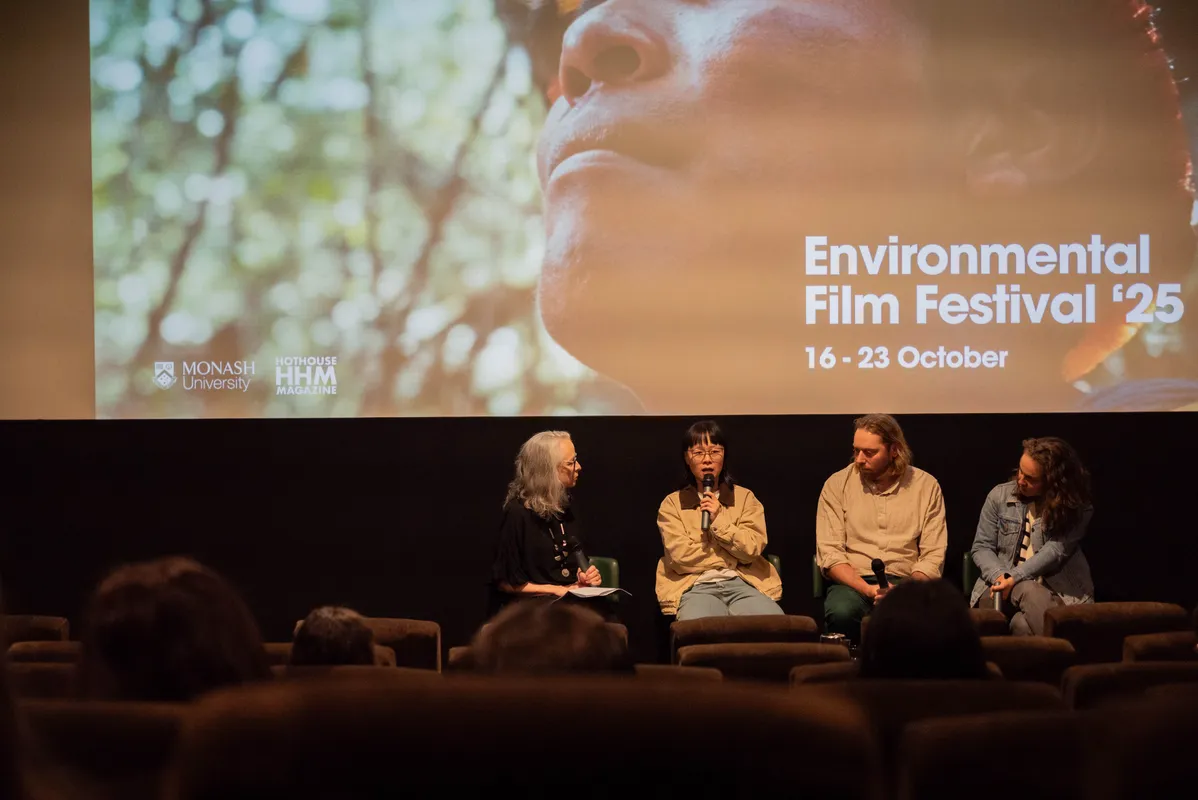
As Simon explains, “Films are really special amidst environmental advocacy spaces because they can tell stories that are emotionally and politically complicated and that don’t necessarily dovetail into straightforward or easy outcomes. Films create time and space for people to sit with difficult things, and to think them through with the complexity that they deserve.”
In addition to the annual film festival, EFA organises environmental film screenings throughout the year. This regular beat of events is central to EFA’s work.
“Our events are cultivated around the idea of community and conversation – so our annual program is designed to make space for people to come together informally, watch some great films and connect afterwards,” shares Helen Mayers, EFA’s third director.
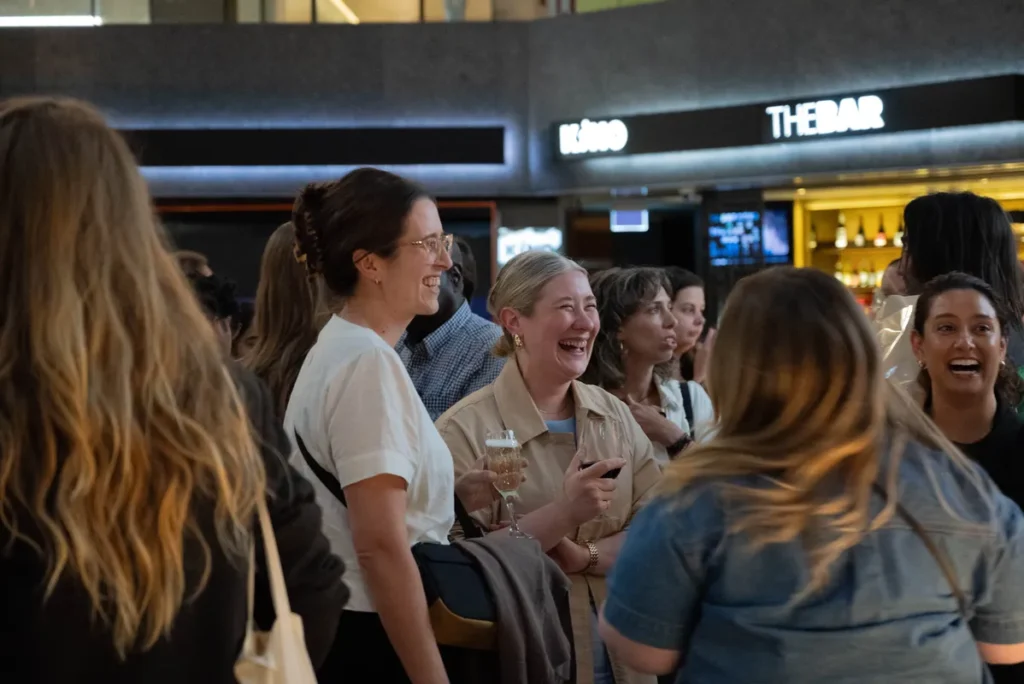
“We also work with community groups and organisations through our curation stream – where we support other people to run their own environmental screenings – as well as corporate screening events. We’ve got really good connections with filmmakers and a real breadth of film choice, so we can make the process really easy and rewarding.”
EFA’s film festival will return in 2026 for its 16th iteration – keep an eye out for film screenings between now and then. As a volunteer-run charity, EFA thrives on community support. Beyond attending EFA’s events you can support the crew by joining the newsletter, telling your friends, and chipping in a donation or two.
Website: https://environmentalfilms.org.au Instagram: @environmentalfilmsaus



By signing up you give permission for Hothousemag to contact you with updates. Your information is safe with us – for more information see our Privacy Policy
